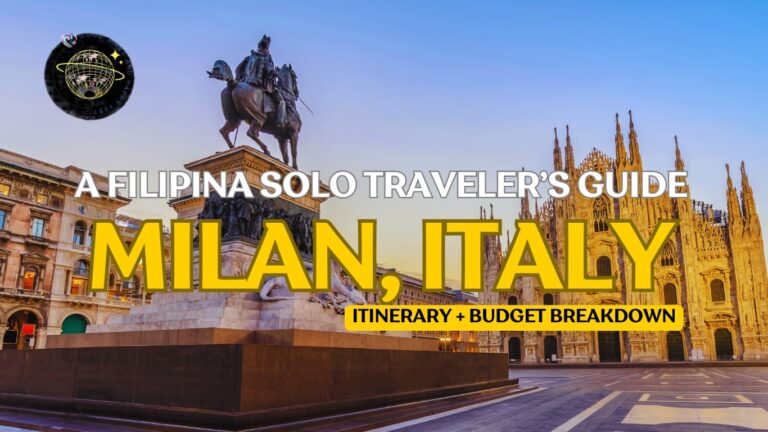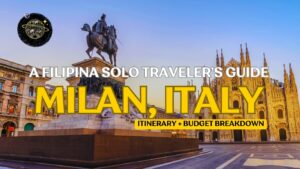
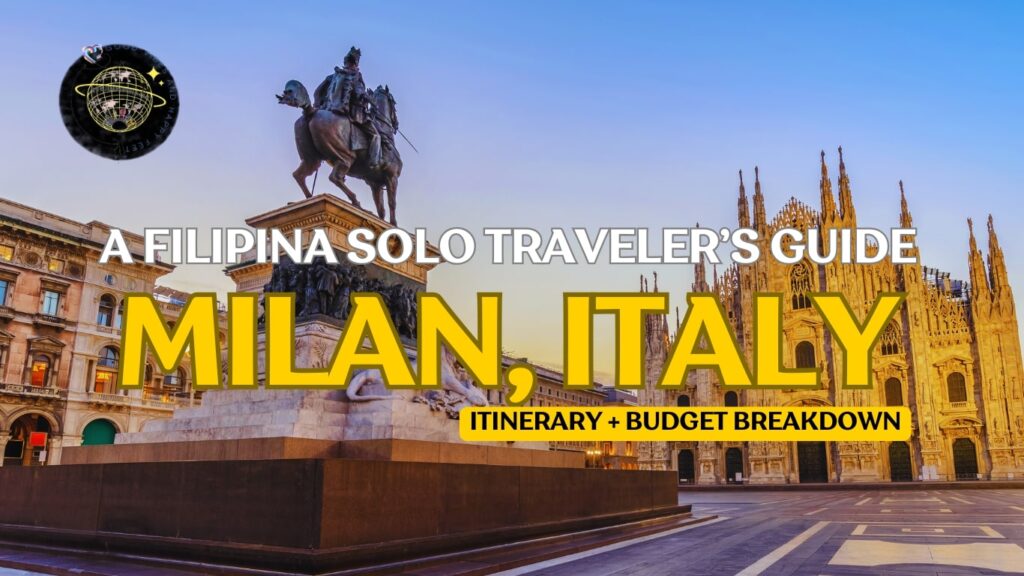
Have you ever imagined yourself in the middle of the Duomo Plaza, taking Instagramable pictures while pigeons fly around you?
Milan, the beating heart of Italy’s fashion and design world, offers much more than its reputation as a style capital. As a solo Filipina traveler, I found Milan’s charm in its iconic landmarks, cozy cafes, and the ease of navigating its streets and metro system.
Getting around the city is simple, thanks to its well-connected public transport, walkable streets, and cycling paths.
In this guide, I’ll share my experience of how to get from the airport to the city center, highlight must-visit places, recommend delicious foods to try, share where I stayed as a solo female traveler, and offer tips for meeting amazing people while exploring and wandering the streets of Milan.
Be sure to check out some amazing tips I picked up along my journey through the heart of Italy’s fashion and design capital.
Are you ready? Then, let’s dive right in!
From the Airport to the City Centre
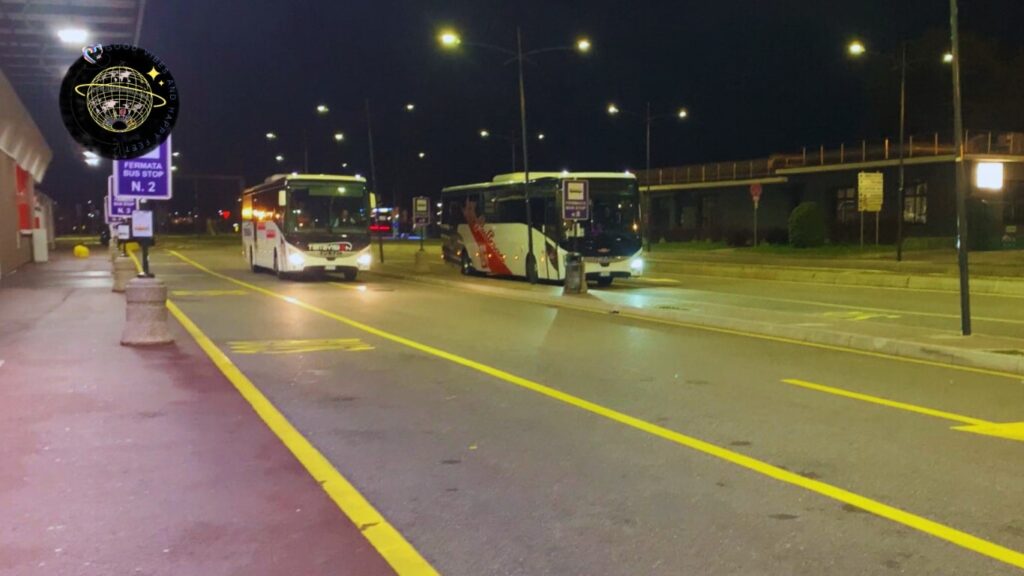
For any traveler, the first task of the trip is to find out how to go to the city centre from the airport.
To get from Malpensa Airport to Milan Centrale, the quickest and most popular option is the Malpensa Express train, which takes about 50 minutes, runs every 30 minutes, costs around €13, and departs from both terminals (T1 and T2).
Another option is to take a bus, which takes 50-60 minutes, costs €8-€10, and departs from the bus stops outside both terminals.
A taxi takes around 50 minutes and costs €90-€100, with taxis available at ranks outside the terminals. For a more personalized option, you can book a private transfer or use ride-sharing services like Uber, which also take about 50 minutes, with costs similar to or slightly higher than a taxi.
Finally, car rentals are available at the airport, offering flexibility for driving directly to Milan Centrale, with costs varying based on the vehicle and rental company. The Malpensa Express is the most efficient choice, while buses offer a more affordable option. Taxis and private transfers provide more convenience, especially if you have a lot of luggage.
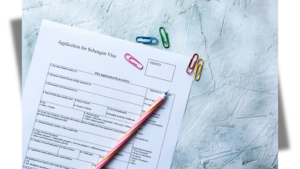
Coming from Greece, I arrived at Milan Malpensa Airport via EasyJet. You can follow my journey on my Youtube vlog here and make sure to check out my guide on how I applied for my Greece Schengen visa by clicking this link.
It was the middle of the night during the second week of August when I arrived, and it was chilly.
This is where I faced my first problem too, as I discovered that my water bottle leaked and it affected my passport. Because of this, I immediately checked if this would prevent my entry, but fortunately, the leak did not affect my Schengen visa.
I had a smudged passport stamp, but thankfully, the damage wasn’t worse. That experience taught me a valuable lesson about protecting my most important travel document. Here are some tips to keep your passport safe:
- Use a Protective Holder: Keep your passport in a durable cover, and for extra protection, store it inside a waterproof Ziploc bag.
- Separate It from Liquids: Always ensure it’s away from bottles, toiletries, or anything that could leak.
- Carry Digital Backups: Save scanned copies of your passport on your phone or cloud storage, just in case.
- Store It Securely: When not in use, keep it in a safe place, like a hotel safe or a hidden travel pouch.
Learn from my mistakes and keep your travel essentials safe!
After I had overcome that problem, I went to the bus area since I had booked a bus ticket online to go to the city centre.
However, another bus company informed us that the bus was running late so I used Google Maps to check the real-time schedule. At this point, I was exhausted from my flight and decided to board a different bus, following the advice of a fellow British solo traveler, with the intention of seeking reimbursement later for the ticket I had purchased online. Solo travelling really taught me how to be adaptable to unfavourable situations, and to make the most out of them.
The bus took us to the Milan Central Railway Station, and my hostel was a few minutes away by walking.
Staying Connected on a Budget
I used my Lifecell Ukrainian SIM card for my entire Europe trip since it covered all the countries I visited, including Greece, Milan, Switzerland, and Rome. It was far more affordable than purchasing an eSIM or a local SIM card in each country. I only paid $2 USD for a 15GB data package valid for four weeks, which was a great deal!
If you don’t already have a Lifecell SIM or a similar option, you can also consider eSIM providers that work in these countries, such as:
- Airalo: Offers affordable eSIM plans for Europe, with country-specific or regional packages and is one of the most popular and well-regarded eSIM providers for international travelers.
- Holafly: Unlimited data plans in several European countries, ideal for high data users.
- Simoptions: Primarily offers physical SIM cards, but they do have some eSIM options as well.
If you’re looking for an eSIM, make sure the plan you choose supports eSIM and is compatible with your device. Make sure that you verify the activation process, coverage, data limits, and support options to ensure a smooth experience during your travels.
Currency
Milan, like the rest of Italy, uses the Euro (€) as its official currency. It is widely accepted for all transactions, from shopping at high-end boutiques in the fashion capital to dining at local trattorias or using public transportation.
ATMs (called “Bancomat” in Italy) are readily available across the city, making it easy to withdraw cash. Credit and debit cards are commonly accepted, especially in urban areas, though some smaller shops, cafes, or markets might prefer cash.
Currency exchange offices can be found at airports, train stations, and around the city, but it’s advisable to compare rates to avoid high fees. For added convenience, carrying a multi-currency card like Wise can help reduce conversion costs.
Ostello Bello Grande: A Hostel for Every Kind of Traveler
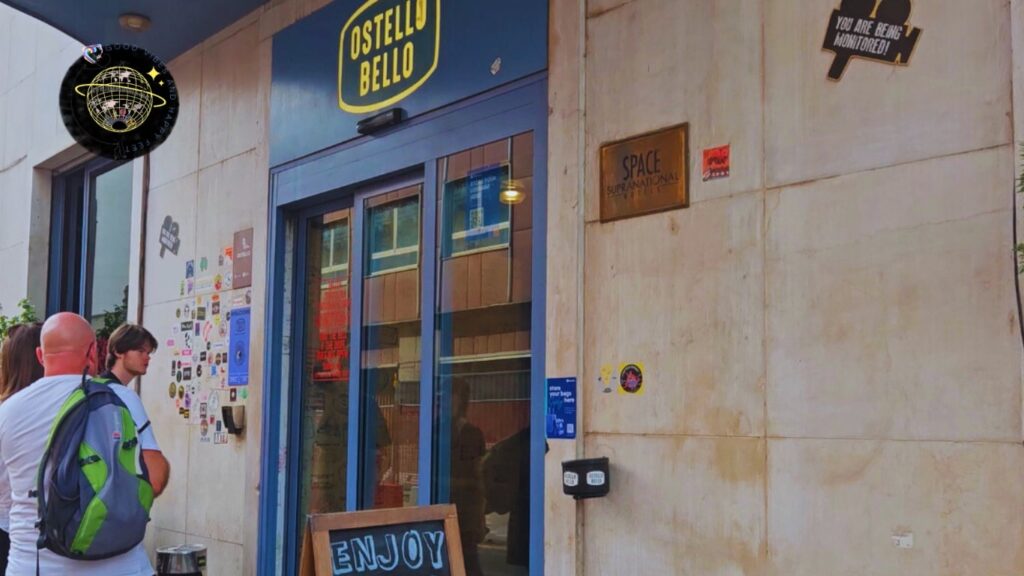
Staying in a hostel is a common practice for solo travelers. Hostels are a great way to meet other solo travelers, and at the same time, save money on expensive hotels and Airbnb.
The location of Ostello Bello Grande is great because it is just a few minutes away from the Milan Central Railway Station and the metro. The room itself isn’t very spacious but is nice, clean, and thoughtfully arranged to ensure a comfortable and pleasant stay.
I booked a bunk bed in a female-only dormitory in the hostel. I immediately went to sleep after arriving, as I was exhausted and sleep-deprived from travelling. When I woke up, I met girls who were about to check out of the hostel, and they decided to give me their extra transport ticket because it was their last day.
These moments of kindness are what I remember in my journey, especially since solo travelling can be quite challenging but they remind me of the warmth and generosity that exist in the world, making each step feel a little lighter and every experience more meaningful.
One more thing I love about staying here is the added sense of security, especially for solo travelers like me. The hostel offers a 24-hour reception, keycard access to rooms and common areas, and lockers to securely store your valuables.
Also, the breakfast here costs EUR 6.90, which is not a bad price for what I got. Although the corridors and elevator were a bit narrow, I would say that this is a good place to stay a night or two while discovering the attractions in Milan.
Remember, if you are planning to stay in hostels, make sure to follow the policies, especially regarding noise. Minimise noise to respect the sleep of other people in the room, and be mindful in sharing the space with other travellers.
Staying in a hostel can be fun and exciting, but of course, we also have to be responsible travellers and respect other people’s rest.
Exploring Milan’s Beauty: Top Attractions to Visit
Milan Central Railway Station
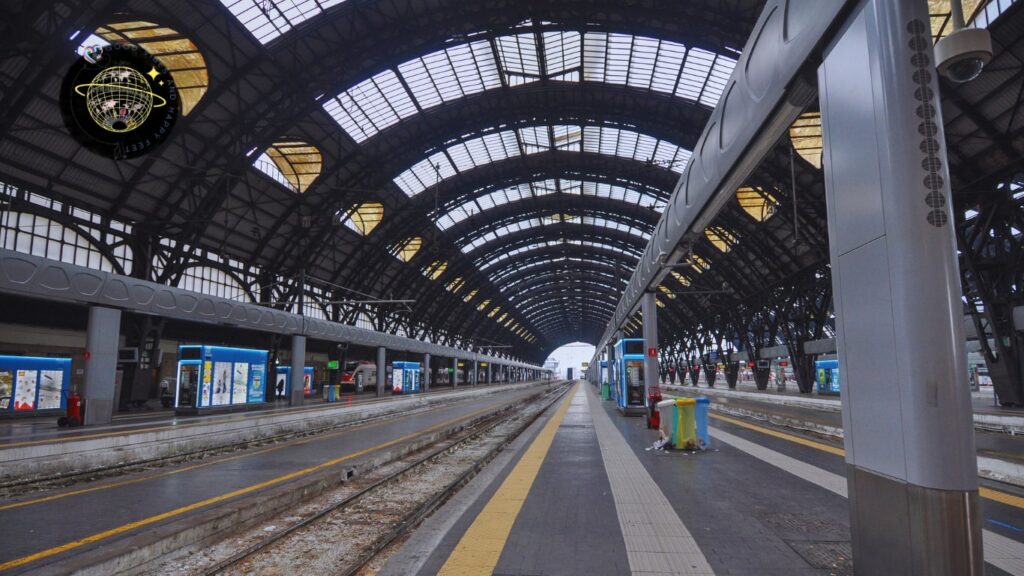
You might have seen this beautiful place on Instagram or Pinterest. It’s even more impressive in person.
Milano Centrale Train Station is the main railway station of Milan, and it is the second largest in Italy as well. It serves almost 320,000 people per day.
The imposing and overwhelming design of the place was intended to show the strength of the previous Prime Minister Mussolini.
This train station is a central point for both domestic and international travel, as it has around 24 tracks connecting other cities in Europe. I was in awe upon entering the station. You’ll see high ceilings, huge windows, and a lot of space—it kind of feels like a palace! There are big screens showing train times, so it’s easy to figure out where to go.
Although language can be a barrier especially when asking for directions, I made sure to use Google Translate, but the signs are also easy to follow, so I did not get lost.
In the station, you can find shops and restaurants, and also an entry to the Milan metro. There is also a “Sala” for passengers who need special assistance and a luggage facility for those who want to leave their luggage while exploring the city.
You’ll see people from all over the world coming and going because it’s a super busy place. There are also several city buses and tram lines just outside Milano Centrale, so you will have multiple options for transportation.
Duomo di Milano
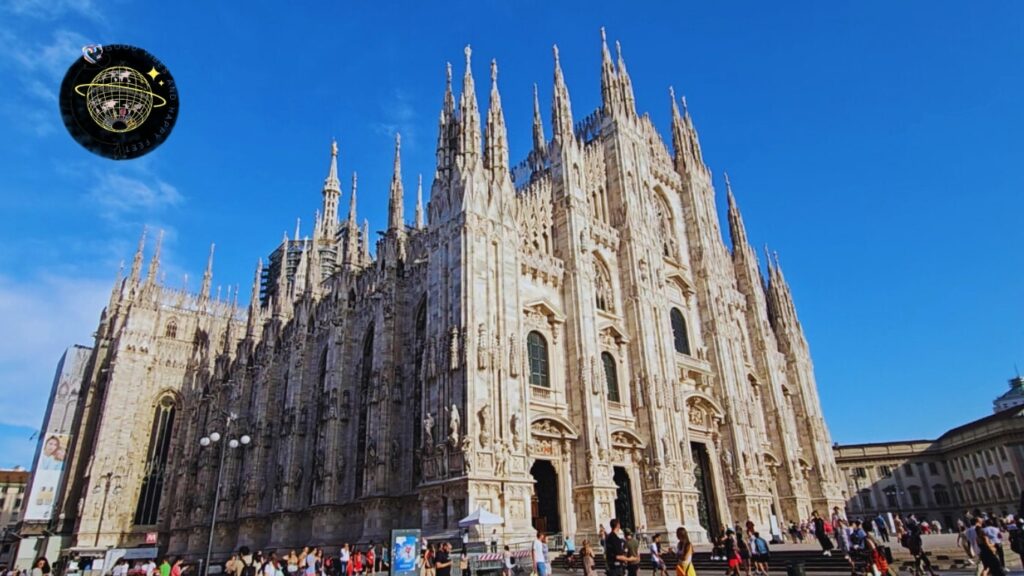
From my hostel to the Duomo, it only takes around five minutes by metro. Once I stepped into the city square or the Piazza del Duomo, I immediately recognized several iconic spots.
The square is surrounded by important buildings, such as the world-renowned Duomo di Milano.
Symbolic of the Lombardy region, the Duomo is the largest church in the Italian Republic. The cathedral is one of the best landmarks of Gothic architecture, and an unquestionable display of religious grandeur.
Although I did not enter the Duomo, seeing it from the outside is already so overwhelming. The spires seem like they can reach the sky, and the facade alone boasts intricate details and statues. One can see biblical depictions, such as the Sacrifice of Abel, Eve’s Creation, and Samson tearing the lion into pieces.
The Cathedral is also a testimony to the importance of glass art, especially in churches during the early 14th century. It contains more than 50 glass windows, which is a collaboration of multiple glass artists over time.
Book an online ticket with access to all areas of the Milan Duomo, including its terraces, cathedral, and museum, on a trusted platform here: https://gyg.me/55ji7v5r
Galleria Vittorio Emanuele II
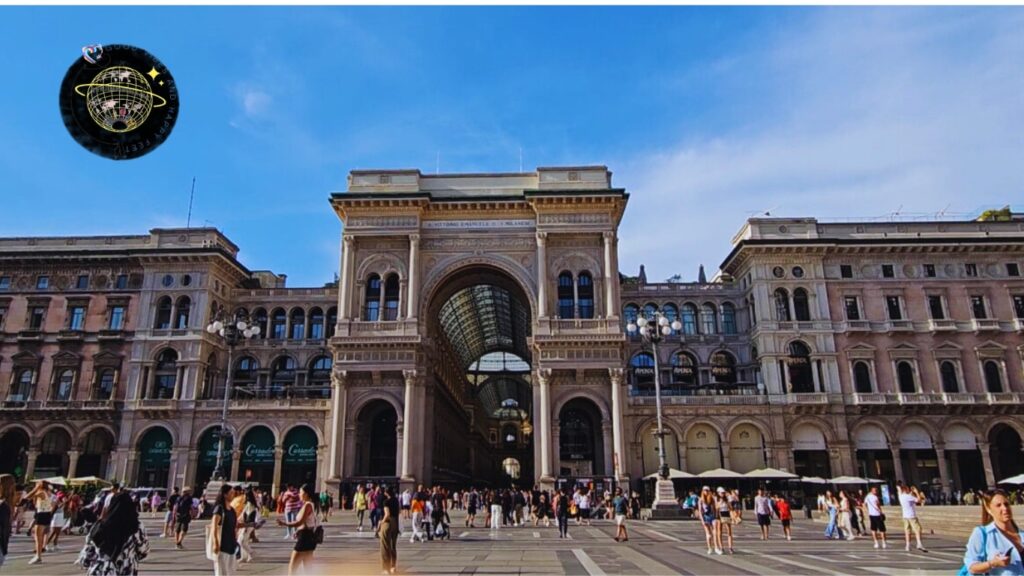
Another important structure in the Piazza is the Galleria Vittorio Emanuele II. This building is near the Duomo Cathedral, and it is a shopping gallery known for its beautiful domes and medieval design.
Built between 1865 and 1877, the “il salotto di Milano” or Milan’s drawing room is now a bustling centre for fashion brands and established restaurants.
Not to mention that the central dome even has a mosaic that represents the continents of Asia, Africa, Europe, and America. This place is so grand, to the point that it can feel overwhelming for people who see it for the first time.
Upon entering, I was greeted by the high ceiling, and the high-end boutiques that started their roots in Italy, such as Prada and Gucci. However, it is not exclusive to Italian brands, as I also saw a McDonalds in the gallery.
This is a place that you should not miss out on whenever you visit Milan. This iconic landmark is truly worth seeing, especially if you are planning to splurge or buy luxury items in Milan.
Leonardo Da Vinci Museum
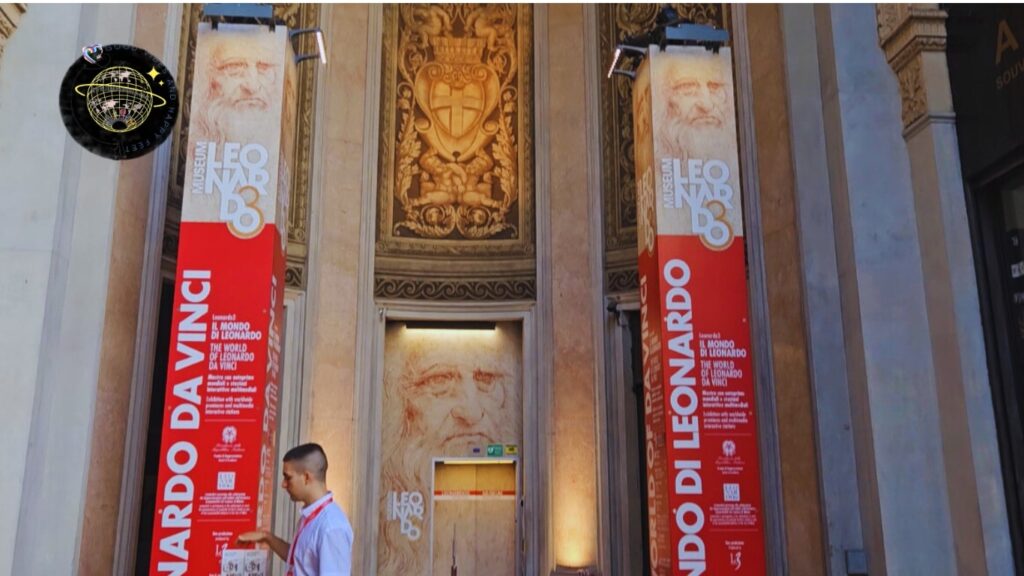
A place dedicated to the world-famous Renaissance painter, the Leonardo Da Vinci Museum is a unique destination to understand the artist, his art, his significant contributions to the Renaissance period, and how he left his mark on the world of art.
If you are an art enthusiast, you definitely must go to the Museum. The museum is open from 9:30 am to 9:00 pm, daily, including public holidays. I would recommend you to buy your tickets online especially if you also plan to visit The Last Supper artwork which is housed separately at the Santa Maria Delle Grazie church, a short distance away from the Leonardo Da Vinci Museum.
Aside from his works, the museum also features working models of his machines. Although not as well known as his artworks, Leonardo Da Vinci is also an architect, engineer, and inventor.
It is truly a walk inside the minds of the genius and his creative process. If you want to learn more about Leonardo Da Vinci and his works, this Museum is worth going to.
Book the Last Supper ticket online here: https://gyg.me/qZjtyLhW
San Babila Church
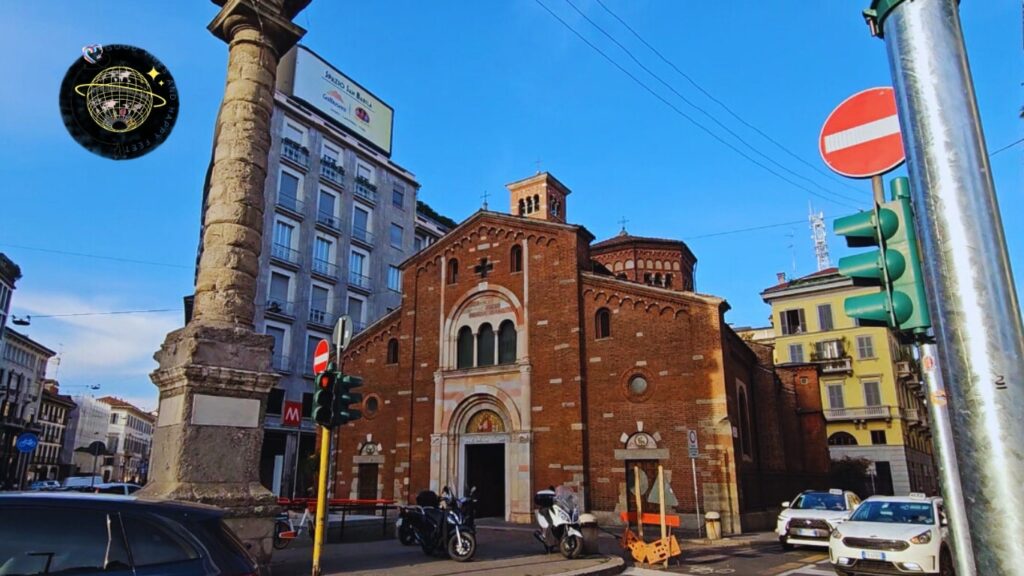
With its Romanesque-style architecture, San Babila Church is another important church in the city of Milan.
It is dedicated to Saint Babylas of Antioch, who died as a martyr during the Decian persecution in the year 253. The San Babila Church houses the relics of saints Babylas of Antioch and Romanus of Caesarea.
Due to recent renovations, it has lost its original medieval touch. Regardless, the church is still beautiful and set apart from other churches in Milan.
You can easily access San Babila Church from various parts of the city. The church is just a short walk from the San Babila metro station (Line 1), making it convenient for travelers.
Hall of Fame
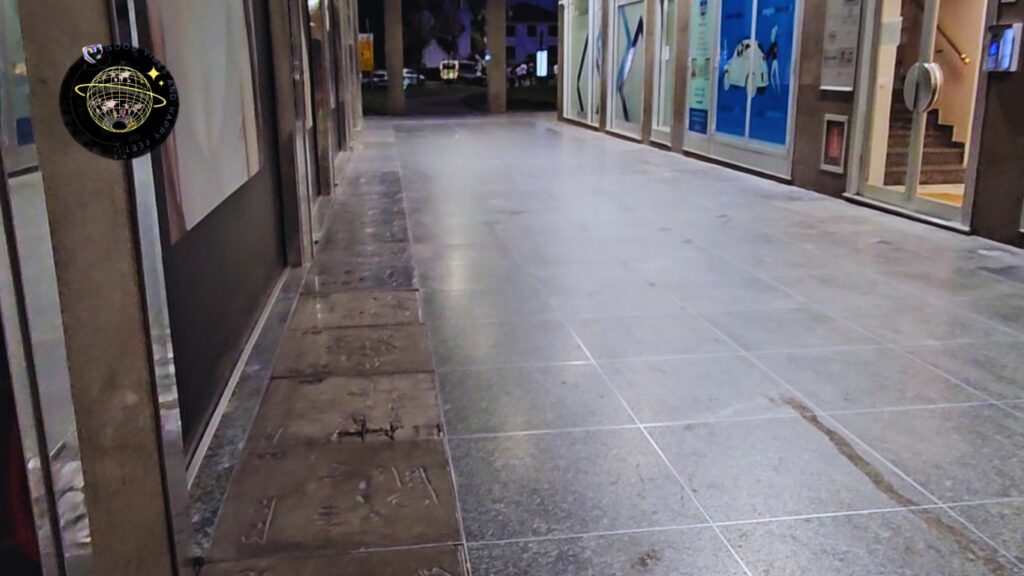
One thing that surprised me is that unlike in Hollywood, the Hall of Fame in Milan is not visited by tourists.
It is a short walk from other tourist attractions, however, it is tucked away in a dark passageway. This made me realise that the Hall of Fame can be a bit difficult to find.
I am still happy that I got to visit this because television and theatre acting are also an important part of the city’s history, and the stars who have engraved their signatures and hands on the tiles surely made significant contributions. However, if you are not a fan of creative tributes to famous people, you may want to skip The Hall of Fame.
Starbucks Reserve Roastery
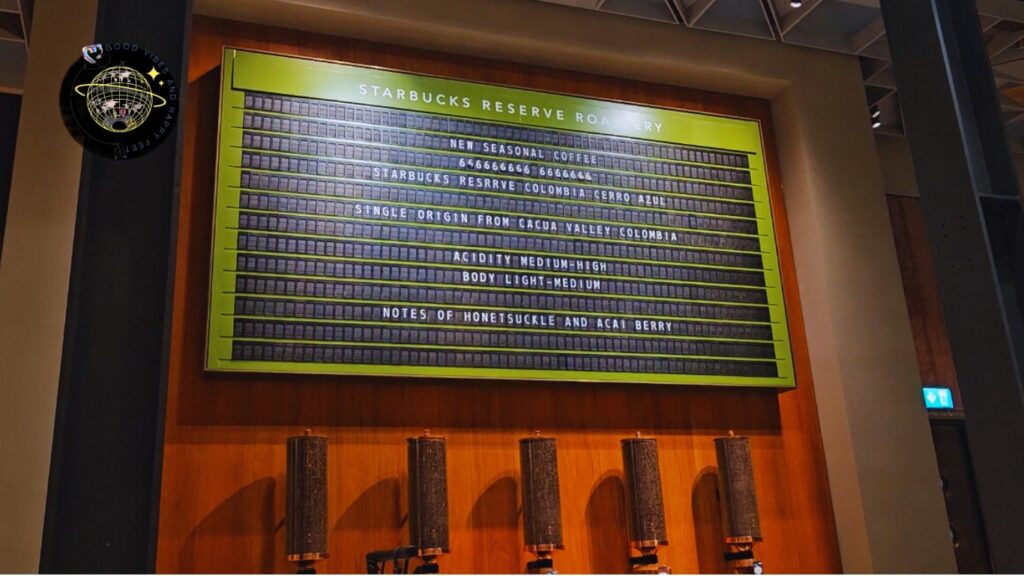
Although not really a tourist spot, I have been really curious about this place due to its uniqueness and popularity.
To be completely honest, I am not really a coffee enthusiast but what drew me to this place is the architecture and design. The place has a luxurious setting and showcases the intricacy of Italian craftsmanship when it comes to coffee innovation.
Although Starbucks has a lot of competitors in Italy, the company carved out a niche where it combines the tastes of the local population while integrating the international appeal of the brand.
Castello Sforzesco
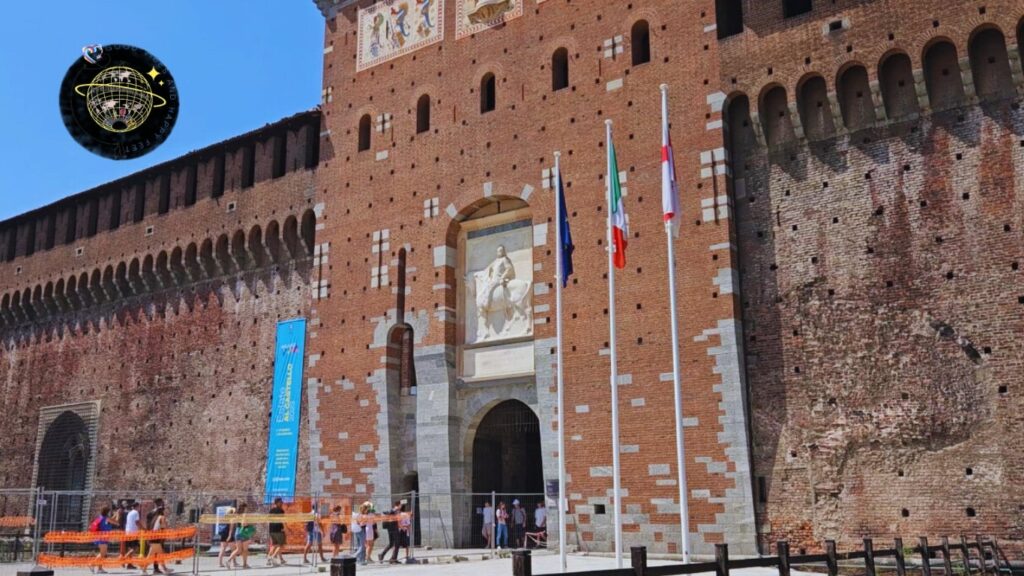
From the hostel, the first stop for my second day in Milan is Cadorna Metro Station.
Sforza Castle is a 15th-century medieval architecture that used to be one of the largest citadels in Europe.
Castello Sforzesco is the main residence of nobles at that time, namely the Visconti lords. After that, it became the residence of a prince, and then a fortress and a military stronghold.
In 1494, Ludovico Sforza became lord of Milan, and he invited numerous artists to decorate the castle. This includes Leonardo Da Vinci.
Nowadays, it is a museum complex and a cultural centre, but another reason why I decided to visit this place is because of its courtyards. It has an imposing architecture, which makes sense because it shows the importance of the people who resided in it before.
In 2012, paintings that are attributed to Michelangelo de Caravaggio were discovered in the Sforza Castle.
Some museums that you can find in the castle are the Museum of Ancient Art, Museum of Musical Instruments, Egyptian Museum, and the Applied Arts Collection.
The castle is free to explore, too!
There is a park near the castle, however, due to a storm that affected the area a week before my arrival, Parc Sempione was closed.
Explore all the secrets hidden in the Sforza Castle of Milan by booking a guided tour ticket here: https://gyg.me/vW8J8oZR
Pinacoteca Di Brera
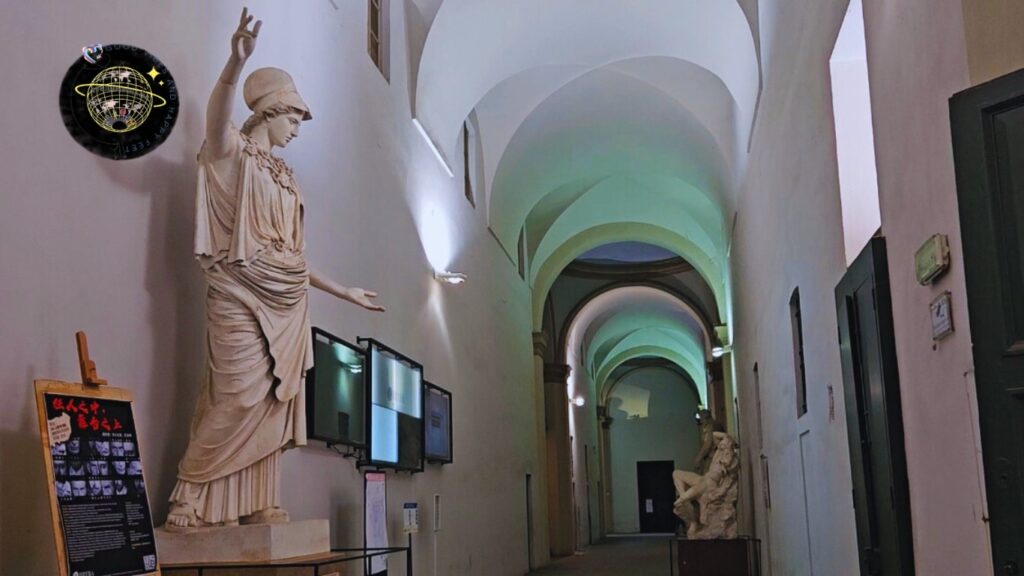
Some 15 to 20 minutes walk from Castello Sforzesco, one can find the home to a rich collection of artworks, sculptures, and paintings from the Italian Renaissance and Baroque periods.
This gallery has a beautiful setting, and Pinacoteca Di Brera remains one of the important art museums in Italy. Sadly, the Botanical Garden was also closed when I visited.
Pinacoteca di Brera houses some well-known works, such as The Marriage of the Virgin by Raphael, Last Supper by Peter Paul Rubens, Supper at Emmaus by Caravaggio, and St. Jerome in Wilderness by Titian.
Art lovers should not miss out on the opportunity to visit this place. Luckily, you can buy tickets online https://gyg.me/1c3TqUHs so you don’t have to wait in person.
However, please be mindful of your reservation time, as your ticket will be forfeited if you arrive more than 15 minutes before your scheduled entrance.
Chiesa Di San Marco
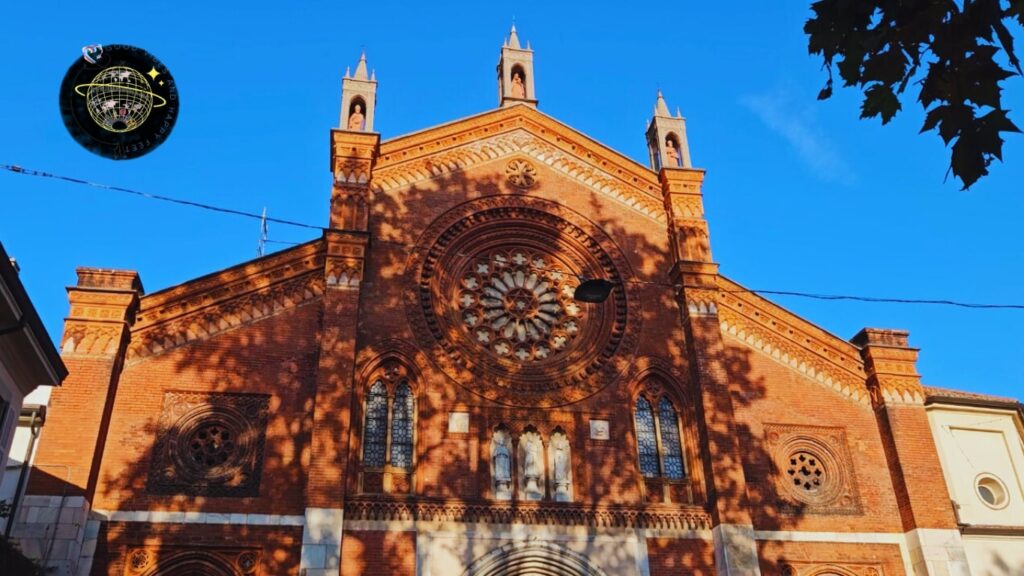
Also known as the Basilica of St. Mark the Evangelist, Chiesa Di San Marco is one of the many churches in Milan that have witnessed and withstood centuries of change and development in the city.
Don’t let the unassuming facade fool you, it has outstanding paintings and history. With its Latin cross plan, the circular temple is supported by Corinthian columns.
It also has the Foppa Chapel in the right aisle. The fresco is a painting by Giovanni Paolo Lomazzo named St. Peter and the Fall of Simon Magnus.
According to history, the young musical genius Mozart stayed in this monastery for three months during 1770.
I accidentally discovered this place as I passed by on my way to Piazza Gae Aulenti. It has such a solemn and peaceful atmosphere, with its quiet surroundings and beautiful architecture. It almost feels like a hidden gem amidst the hustle and bustle of the city.
Piazza Gae Aulenti
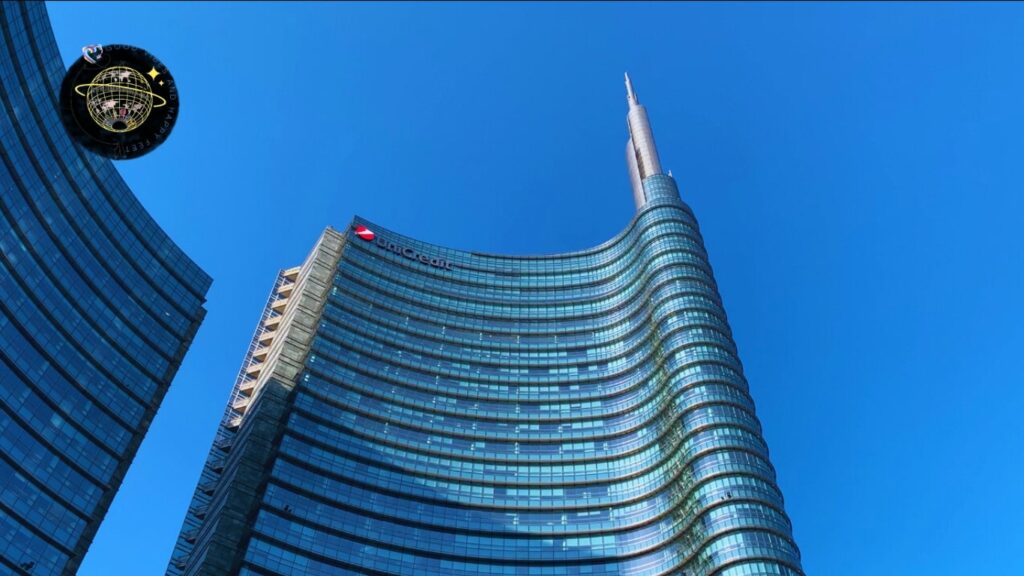
If you are wondering about the modern side of Milan, Piazza Gae Aulenti is the perfect place to go. This urban square is the work of Cesar Pelli.
From a distance, I thought my eyes were deceiving me because a tall structure looked like the Burj Khalifa in Dubai. This is the Unicredit Tower, which is part of the complex of Piazza Gae Aulenti. This has the tallest skyscraper in Italy at 231 metres high.
With a pedestrian walkway, I found Corso Como, which is another bustling area in Milan. Be sure to walk around The Porta Nuova District and see public art installations, trendy cafes, and numerous shops and restaurants.
If you want to take a break from the grandeur of the past and step into the promise of the future, Piazza Gae Aulenti has sleek buildings that show a glimpse of innovative architecture.
Bosco Verticale
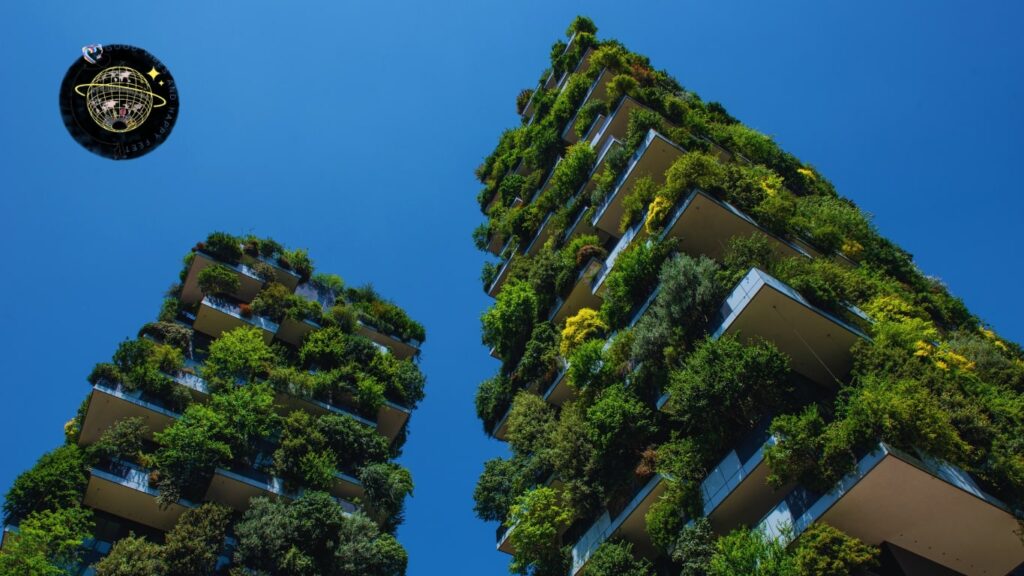
I have always been a fan of modern sustainability and how this integrates into architecture. Bosco Verticale, or the Vertical Forest, is also part of the architectural complex of Piazza Gae Aulenti.
The two residential towers integrate greenery and trees on every floor, and it is such a refreshing sight to see.
The futuristic aesthetic of this place reminds me of Singapore, where modern buildings promote and encourage co-existence between urban living and nature.
I stayed here for quite some time just reading a book and relaxing. It is the perfect spot to slow down and be mindful of myself and where I am in my travel journey.
Navigli Canal
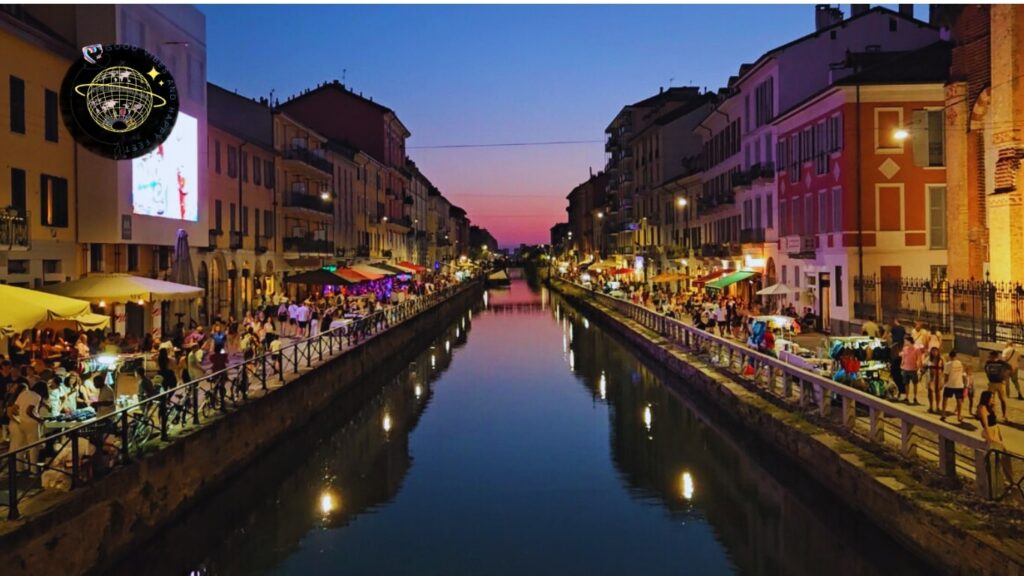
Last, but not least, is the Navigli Canal. Navigli is one of the nicest neighbourhoods in Milan, and it is teeming with history as well.
At sunset, when the street lights start to glow, the Navigli Canal becomes picturesque, feeling vibrant but not overwhelming.
The atmosphere provides a romantic mood, which is the perfect place for couples to take a stroll. You can also visit antique and flea markets in the area, as well as other restaurants and cozy markets. This place is famous for its aperitivo scene, where locals and tourists gather for drinks and small bites along the canals.
But more than just the activities and the picturesque scene, these canals were designed by none other than Leonardo Da Vinci himself. These waters also played a crucial role in Milan’s trade and transportation.
Making the Most Of Your Milan Trip
If you are already planning to visit Milan, I have a few more tricks and tips up my sleeve.
Tip 1: Carry a water bottle
This might seem like a no-brainer, but carrying a water bottle will save you a lot of money during your trip, especially if you are planning to visit in the summer months.
Milan has a lot of drinking fountains so if you carry a water bottle, you can just refill it. A water bottle can be expensive in touristy cities, especially in Europe. The cost can quickly add up.
I also made sure to refill my water bottle in the hostel so that I wouldn’t have to buy or waste time finding one outside.
Tip 2: Be open to meeting people
A lot of people are terrified of solo traveling, especially since one will be alone in a foreign country, and feeling lonely might ruin the experience.
This is true to some extent. However, one thing I do whenever I travel is to keep an open mind, especially when it comes to meeting people.
On my first day, I went to dinner with two other solo travelers I met at the hostel during my trip. It is wonderful how travelling can bring people together, even when they are from different parts of the world.
On my second day, while I was on my way to Piazza Gae Aulenti, I met a bunch of Filipino teenagers having fun. I heard them speaking our native language (Tagalog) and I approached them to ask for directions. Meeting kababayans in other parts of the world is also a wonderful experience. I learned from them that it’s perfectly acceptable to drink alcoholic beverages in public places, a stark contrast to the stricter regulations in Dubai, where I reside.
Tip 3: Watch out when crossing the streets
Although this might be a universal rule, please be careful when traversing the streets of Milan. On some occasions, I noticed that even when the traffic light turned red, the cars did not stop.
It’s a reminder that in busy cities like Milan, drivers may not always follow the expected rules of the road, so always stay alert and prioritize your safety.
Do not be on your phone when crossing the street and pay attention to the road. Some drivers can be reckless, so us pedestrians have to take double caution in crossing the roads.
Tip 4: Slow down and watch street performances
If there is one thing that I absolutely love about Milan is that it is a culturally rich place. While walking through the plazas, I encountered several festivities, street performers, and magicians.
It made me realise that a lot of people are talented, and performing in public takes huge courage.
So, if you ever find yourself with some downtime, or maybe you want to slow down and rest from one tourist spot to another, sit down in the plazas and look for a street performance.
Tip 5: Beware of Pickpockets and Scams
While enjoying the sights in Milan, be aware and stay vigilant against pickpockets especially when you are in crowded places like tourist spots and public transport.
Don’t be surprised if you frequently hear pickpocket warnings at their metro stations. These announcements are a reminder to stay vigilant especially in crowded spaces where thieves may operate.
Pickpockets in Italy often blend in by wearing nice clothes, making them look like ordinary people rather than beggars. They may work in groups, with one person distracting you while another takes your belongings.
Keep your belongings secure in bags that close tightly and wear them close to your body. Use a money belt for valuables, and avoid carrying a large amount of cash. Only take what you need for the day.
Most establishments in Milan accept cards so you can use this payment method to minimise cash on hand. Contactless payments are widely accepted, making transactions convenient.
Also, scams in Italy often target tourists in busy areas. Common ones include fake charity petitions or “friendship bracelets,” where scammers tie a bracelet on you and demand payment. Be cautious of overly helpful strangers, especially at ATMs or ticket counters, and verify offers or services.
Tip 6: Try authentic Italian cuisine
You’re already in Italy, might as well try some authentic foods that originated there.
On my first day, I went to Obica Restaurant in the Rinascente Mall. This is a stylish shopping store that has several restaurants and cuisines to choose from.
Once I entered the restaurant, I was greeted with a fantastic view of the Duomo from its rooftop terrace. I ordered traditional Italian food such as spaghetti with black truffle, and paired it with pinot wine.
Here are some of the simple tips you need to remember when eating out in Milan:
Restaurants usually close between meal times, so plan to eat at the right hours. Be ready for a small fee called coperto (cover charge) on your bill, and know that bread on the table isn’t free unless specified as part of the coperto.
Ask the staff if bread and water are included in the price, so you’re not surprised by additional charges.
Try local favorites like risotto alla milanese and check out aperitivo time, where you can enjoy drinks with free or cheap snacks. For quick bites, grab some tasty panzerotti or visit food markets.
Italians like polite and calm dining, so avoid being loud or rushing through your meal. Don’t ask for changes to traditional dishes, like adding cheese to seafood pasta—it’s a big no!
Eat pasta the right way by twirling it with a fork (no cutting spaghetti!). Enjoy cappuccinos in the morning and have an espresso (caffè) after meals. Always greet restaurant staff with Buongiorno (good morning) or Buonasera (good evening) when you arrive.
Most importantly, enjoy the food and the experience!
Tip 7: Learn Some Basic Italian Language
Learning a few key phrases in Italian can significantly enhance your travel experience. Not only does it show respect to local culture, but it also helps you connect with locals more meaningfully.
Some of the basic words I’ve learned are: “Ciao,” which means hello, and “grazie,” which means thank you. It would also help if you could familiarise yourself with practical phrases for ordering food, asking for directions, and shopping.
Locals often appreciate the effort which can give you warmer interactions and helpful tips about the area.
Milan 3D/2N Itinerary + Budget Breakdown With Total Cost
| Day/Time | Activity | Cost (€) |
| Day 1 1:00 am | Arrival in Malpensa Airport T2 (Easyjet Airline) | 80.98 EUR (Athens to Malpensa Flight Ticket) 33.99 EUR (Cabin bag charge) |
| 5:30 am | Fiumicino to Milano Centrale (Malpensa Bus Shuttle) | 10 EUR x 2 = 20 EUR Note: I initially booked a Terravision bus ticket online for 10 euros but missed it, so I needed to buy a new one from Malpensa airport. |
| 7:00 am | Check in at Ostello Bello Grande | 119.76 EUR (incl. 9.98 EUR additional charge) |
| 7:20 am | Rest and Sleep | |
| 2:00 pm | Explore Piazza Del Duomo | |
| 5:30 pm | Dinner at Obica Restaurant (spaghetti black truffle + pinot wine | 31 EUR |
| 6:00 pm | Visit The Hall of Fame | |
| 7:00 pm | Visit Starbucks Reserve Roastery | |
| 8:00 pm | Back to hostel and meet up other travelers | |
| 11:00 pm | Rest and Sleep | |
| Day 2 9:00 am | Extended hotel stay for (one night) | 45.44 EUR |
| 10:00 am | Breakfast in hostel | 6.90 EUR |
| 11:00 am | Visit Castello Sforzesco | 2.20 x 2 = 4.40 EUR (Ordinary train ticket (90 minutes) |
| 1:00 pm | Explore Pinacoteca Di Brera | |
| 2:00 pm | Stop by at Chiesa Di San Marco | |
| 3:00 pm | Explore Piazza Gae Aulenti and Porta Nuova Food District | |
| 5:00 pm | Relax at the park with the view of Bosco Verticale | |
| 5:30 pm | Explore Navigli Canal | |
| 8:00 pm | Back to Milan Centrale | |
| 8:30 pm | Dinner at Sagami | 18 EUR (incl. 2 euro service charge) |
| 10:00 pm | Rest and Sleep | |
| Day 3 7:00 am | Check out hostel | |
| 8:20 am | Milano Centrale to Geneva |
Here’s the table with the total cost breakdown:
| ITEM | COST |
| Airfare (Easyjet Athens to Milan) | 114.97 EUR |
| 2D/2N Hostel | 165.2 EUR |
| Train and Metro Transport | 24.4 EUR |
| Food | 55.9 EUR |
| TOTAL EXPENSES: | 360.47 EUR (1,363.05 aed) |
Note: Only the arrival airfare is shown because the train departure cost has been included in the calculation for the next destination, which will be detailed in my Switzerland blog.
Ready to See Milan’s Charm?
I hope this article provides you with some information if you are considering travelling to Milan.
This northern city is often overlooked when people visit Italy, but I assure you, it is worth going to.
If you have any questions or clarifications, or you want to ask for some advice regarding your upcoming trip, you can always leave a comment down below.
Until the next trip!
Travel with me to Italy! A Filipina Solo Traveler’s Journey: Episode 2 Europe Solo Travel
Disclosure: If you find the travel resources on this page useful, please be aware that my website includes affiliate links. This means I may earn a small commission if you make a purchase through these links, at no extra cost to you. These commissions help support my site and allow me to continue providing valuable content for free. Rest assured, I only recommend products and services that I genuinely believe will benefit my readers. Thank you for your support!